
The Illusion of Skill in Games of Chance
A prevalent myth in casino gambling is the belief that skill can significantly affect outcomes in games like slots and roulette. Although players might devise strategies for maximizing their enjoyment or managing their bankrolls, these games are fundamentally based on chance. For instance, the random number generators in slot machines and the shuffling of cards in games such as baccarat ensure that no level of skill can manipulate the results. Players exploring new betting sites should understand this crucial aspect, as it is vital for newcomers who may feel tempted to rely on perceived skills instead of embracing the inherent randomness of these games.
Players often encounter well-meaning advice claiming to improve their odds at the casino; however, many of these tips are based on anecdotal experiences rather than established statistics. For example, some gamblers believe that certain machines are “due” for a win after a losing streak, but this notion reflects a misunderstanding of probability. Each spin or hand is independent of previous outcomes, meaning that past results have no bearing on what happens next. The allure of controlling a situation makes the myth of skill persist, as it provides players with a false sense of empowerment over their gambling fate.
Ultimately, it is essential for gamblers to approach casino games with the understanding that they are designed for entertainment rather than profit. Acknowledging the role of chance helps set realistic expectations, leading to a more enjoyable experience without the frustration that arises from expecting consistent wins. Recognizing that luck plays a significant role allows players to relish the thrill of the game while accepting that losses are a natural part of gambling, reinforcing the idea that enjoyment should be the primary goal.
The Gambler’s Fallacy: Misunderstanding Probability
The gambler’s fallacy is a widely accepted myth in the casino world, where players often believe that past events can influence future outcomes. An example of this is when someone thinks that a particular number on a roulette wheel is “hot” because it has appeared frequently, leading them to wager more on that number, hoping the trend will continue. However, this mindset ignores the fundamental principles of probability and randomness, which dictate that every spin is an independent event, unaffected by what has occurred previously.
This fallacy can result in significant financial losses as players chase non-existent trends, convinced that their chances of winning are based on flawed reasoning. Understanding that the odds remain constant, regardless of past outcomes, is essential for participants. Each game is an isolated event, and the most effective way to approach casino gambling is to treat it as a form of entertainment rather than a method for predicting outcomes based on previous results.
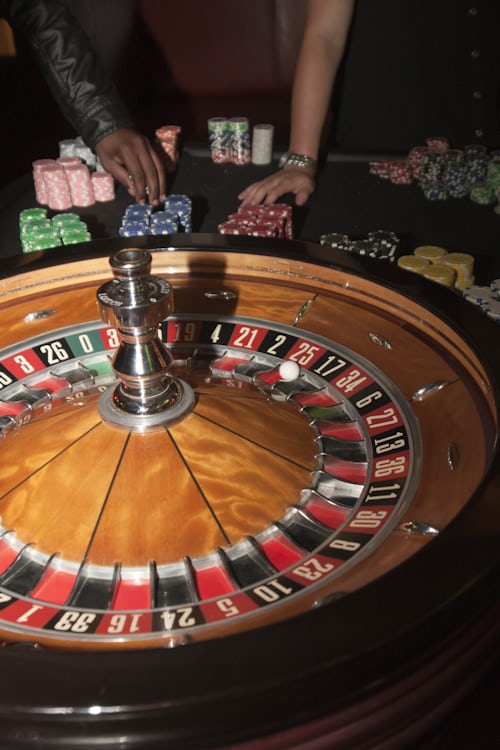
By dispelling the misconceptions surrounding the gambler’s fallacy, players can adopt a more rational perspective toward gambling. Instead of succumbing to incorrect assumptions, they can focus on enjoying their time at the casino without the unrealistic hope of predictable victories. This shift in mindset fosters a healthier approach to gaming, allowing participants to engage responsibly and strategically while still enjoying the excitement of their chosen games.
The Myth of Winning Streaks and Losing Streaks
Many gamblers cling to the belief in winning or losing streaks, often attributing these patterns to luck or divine intervention. While it is true that fortunes can fluctuate during a gambling session, the idea that a streak can continue or that a player is “due” for a win is misleading. Each round of games like blackjack or poker operates independently, governed by probabilities that remain unchanged regardless of prior hands. A winning or losing streak is merely a natural occurrence within the realm of randomness.
When players find themselves on a winning streak, they may feel invincible, believing that luck will continue to favor them. On the other hand, after experiencing a series of losses, they may become despondent, feeling cursed. Such emotional investments in the perceived flow of luck can cloud judgment, leading to poor decision-making. It is important for players to understand that variance is a natural part of the gambling experience; swings in fortune happen, but they do not imply a pattern that can be relied upon for future success.
By recognizing that streaks are simply fluctuations in the randomness of outcomes, gamblers can maintain a more level-headed approach to their play. Enjoying winning moments while accepting losses without an emotional response will provide a more balanced and ultimately rewarding gaming experience. Embracing the unpredictability of gambling while avoiding the trap of superstition allows players to engage with the games in a healthier manner, promoting a more enjoyable experience overall.
The Impact of Casino Environment on Gambling Behavior
The atmosphere of a casino significantly influences gambling behavior, leading to the myth that casinos are designed to manipulate players into making irrational decisions. While it is true that the ambiance may encourage prolonged play, individuals must recognize that they are ultimately responsible for their choices. The bright lights, enticing sounds, and complimentary beverages are intended to enhance the entertainment experience, but they do not compel players to wager beyond their means or lose control.

Many people fall into the trap of believing that casinos prey on their weaknesses, resulting in a perceived loss of control over their gambling habits. However, the reality is that each player possesses the power to set their limits and manage their gambling responsibly. Awareness of impulsive behavior can help individuals resist the allure of a captivating environment, ensuring they gamble within their means and keep the experience enjoyable and fun.
Furthermore, casinos can be viewed as social venues where individuals come together to share in the excitement of games. Understanding this aspect can help shift perceptions of casinos from predatory establishments to spaces for entertainment and social interaction. By fostering a sense of community, players may find that their engagements with gambling become healthier and more enjoyable, reinforcing the idea that the choice and responsibility always lie within the individual.
Understanding Responsible Gambling and the Role of Education
Education about responsible gambling is crucial in dispelling the myths associated with gaming establishments. Many casinos and online platforms are dedicating resources to promote responsible gaming, providing information on the risks involved and strategies for maintaining control while participating in games. By empowering players with knowledge, these initiatives aim to reduce the impact of myths and set realistic expectations regarding gambling outcomes, fostering a more informed gambling community.
Moreover, understanding the odds and house edge associated with various games can help players make informed choices. When individuals comprehend the statistical advantages held by the casino, they are less likely to fall victim to myths that may lead to excessive gambling. This informed approach encourages a mindset focused on enjoyment rather than solely on winning, fostering a culture of moderation and responsibility that benefits all participants.
Ultimately, the commitment to educate players about responsible gambling practices is an ongoing journey. Continuous dialogue about the realities of gambling can help dismantle harmful myths, allowing players to engage with greater clarity and confidence. Emphasizing education ensures that players can enjoy the thrill of gaming while maintaining a healthy balance, reflecting the importance of informed choices in the gambling landscape. It is essential for players to understand that responsible gambling is not just a personal choice but a collective effort to create a safer gambling environment for all.